
Volunteering is a selfless act of offering time, skills, or resources to help others without the expectation of monetary reward. To quote Mahatma Gandhi, “The best way to find yourself is to lose yourself in the services of others.” While the primary purpose of volunteering is to support individuals, communities, or causes in need, it also offers a wide array of benefits to the volunteer themselves. These benefits span personal development, social connection, career advancement, and community impact, making volunteering a mutually enriching experience.
One of the most profound personal benefits of volunteering is its positive impact on mental and emotional well-being. Numerous studies have shown that people who volunteer regularly experience lower levels of stress and depression. This reduction in stress can also decrease the risk of physical problems like high blood pressure, heart disease, stroke, and general illness. Helping others fosters a sense of purpose and fulfillment, which can boost self-esteem and life satisfaction. Volunteering often involves working with people from diverse backgrounds, allowing volunteers to gain new perspectives, develop empathy, and increase emotional intelligence.
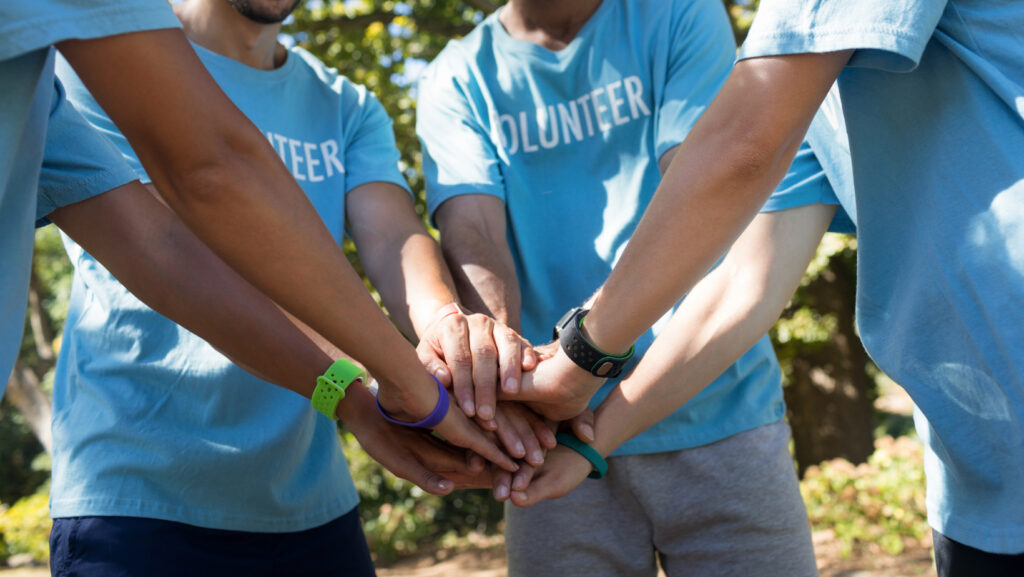

Social connection is another significant benefit of volunteering. In today’s fast-paced and increasingly digital world, many people struggle with feelings of isolation and disconnection. Volunteering provides a meaningful way to connect with others, build friendships, and create a sense of belonging. Whether it’s serving in a soup kitchen, tutoring students, participating in a community clean-up, or helping at your local healthcare organization, volunteers often find themselves forming lasting relationships with others who share similar values and goals.
From a professional standpoint, volunteering can also be a valuable tool for career development. For students, recent graduates, or those looking to change careers, volunteering offers the opportunity to gain hands-on experience, build a network, and explore potential fields of interest. It allows individuals to develop and demonstrate transferable skills such as teamwork, leadership, communication, and problem-solving. In many cases, volunteer service on a resume can make a candidate stand out to potential employers, especially when it aligns with the job’s requirements or the company’s values.
Volunteering plays a crucial role in strengthening communities as well. Volunteers help fill gaps in services, especially in underfunded or underserved areas. They contribute to the well-being of vulnerable populations, support educational and environmental initiatives, and foster civic engagement. By volunteering, individuals help build a more compassionate, inclusive, and resilient community. Their efforts can inspire others to get involved, creating a ripple effect of positive change.
In addition, volunteering often introduces people to new cultures, ideas, and experiences. Whether it’s traveling abroad to help in disaster relief or working with in a local community center, volunteers can broaden their worldviews and challenge their assumptions. These cultural exchanges promote mutual understanding and global awareness, which are increasingly important in our connected world.
Volunteering is much more than an act of kindness; it is a pathway to personal growth, social enrichment, professional development, and community betterment. Whether motivated by generosity, personal interest, or a desire for connection, those who volunteer find that the rewards far outweigh the time and effort invested. By giving of ourselves, we not only help others—we also transform our own lives for the better.
Sarah Cole
Program Coordinator, Volunteer Services
Blessing Health System