

“I’m just not good at this.”
It’s a phrase nearly every parent has heard from their child at some point, whether the challenge is math homework, tying shoelaces, or learning a new sport. But what if we could help kids shift that phrase to: “I can’t do this yet—but I’m learning”?
That simple shift is the heart of what psychologists call a growth mindset—the belief that abilities can improve through effort, learning, and persistence. And winter, with its natural pause and space for reflection, is a perfect time for families to cultivate this kind of thinking.
What Is a Growth Mindset?
A growth mindset encourages children to view challenges as opportunities rather than failures. Instead of thinking talent is fixed (“I’m just bad at reading”), children learn to focus on progress, strategy, and resilience.
Researchers have found that children with growth mindsets:
- Bounce back more quickly after setbacks
- Are more willing to try new things
- Show increased confidence and creativity
- Perform better academically over time
The best part? Growth mindset isn’t a personality trait — it’s a skill that can be taught.
Why Winter Is the Perfect Season to Practice
Winter often brings indoor activities, slower schedules, and sometimes a case of the “blahs.” But that slower rhythm creates a perfect learning environment.
Families have more opportunities to:
- Try new crafts, games, or hobbies
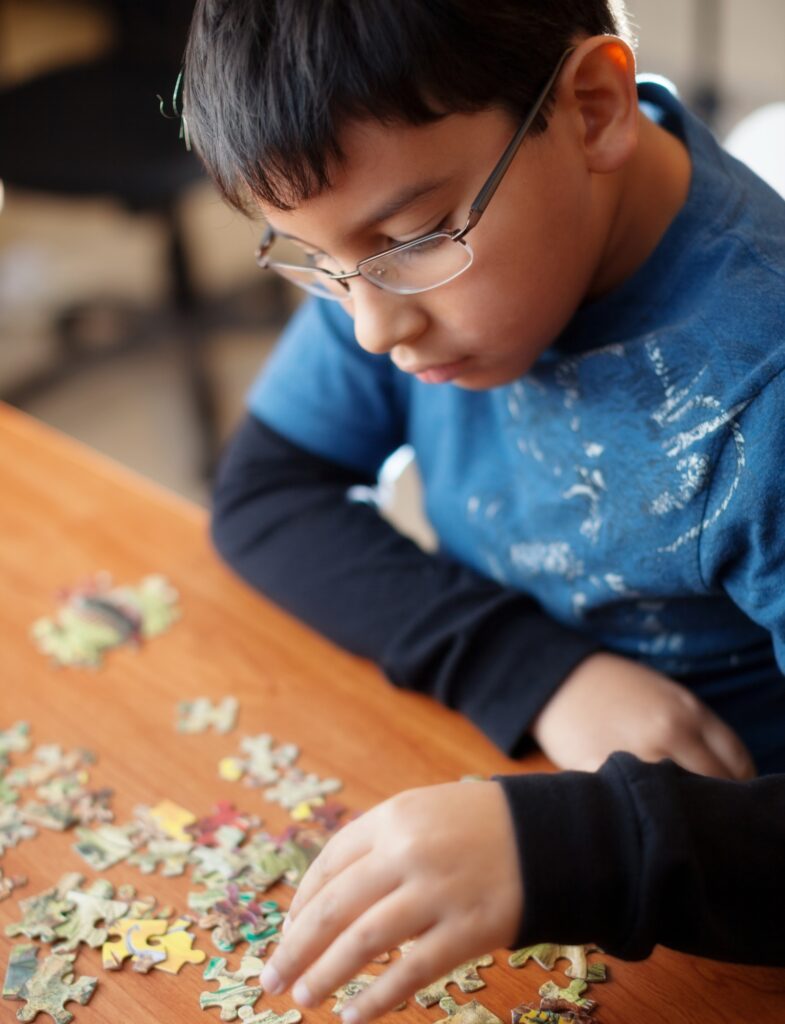
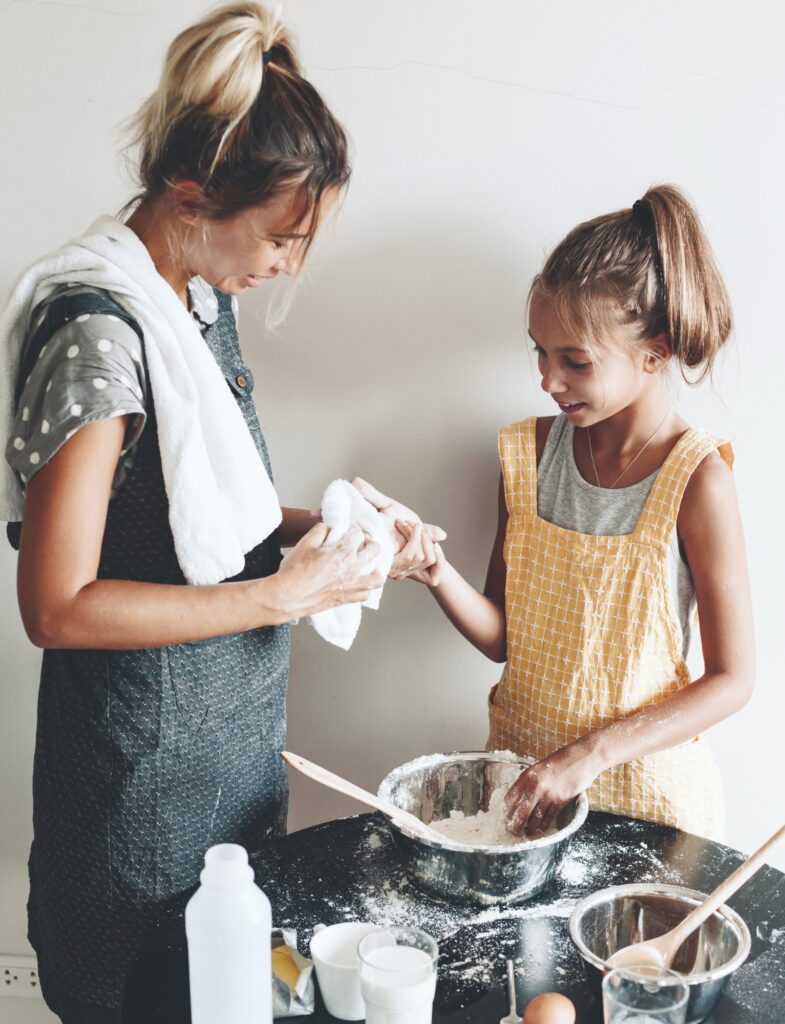
- Work together on skills (like puzzles or baking)
- Create habits that build resilience
- Model problem-solving and patience
The growth that begins in these months often shines once spring arrives.
Parents as Mindset Models
Children learn most authentically through what they see, not what they’re told.
You can model a growth mindset by:
- Saying “I’ve never tried this before, but I’m learning.”
- Treating mistakes as part of the process.
- Celebrating effort, not perfection.
Even a small shift like “That’s hard!” → “That’s a challenge—let’s figure it out” helps children learn to stay curious rather than frustrated.
Praise That Encourages Persistence
The way we praise children matters. Research shows that praising talent (“You’re so smart!”) can make kids fearful of failure. But praising effort, strategy, and perseverance fosters confidence.
Try:
- “You worked hard on that puzzle.”
- “I noticed you kept practicing.”
- “You tried a new strategy — great thinking!”
Mistakes Are Just Data
A growth mindset views a mistake not as a sign of failure, but as information.
Questions like:
- “What did you learn?”
- “What will you do differently next time?”
- “What strategy could we try?”
…turn struggle into progress.
Build Growth Mindset Moments at Home
Here are a few practical winter activities that encourage growth:
Puzzle Challenge:
Work up to harder puzzles together.
Reading Stretch:
Try books slightly above your child’s comfort level—take turns reading tricky words.
Baking Experiments:
Even “flop” cookies spark problem-solving conversations.
Art Without Rules:
Let kids explore—not everything needs to be “pretty.”
Weekly Reflection:
Every Sunday evening share:
- One thing that was hard
- One thing learned
- One goal to try this week
The Gift of “Yet”
When the winter months feel long, remember this powerful mindset-building word: YET.
- “I can’t do this” → “I can’t do this yet.”
- “You don’t know it” → “You don’t know it yet.”
- “I’m not good at this” → “I’m not good at this yet — but I’m learning.”
It’s a word of hope, resilience, and future possibility.
And if that growth mindset is sparked today, it will carry children through school, friendships, sports, and the many seasons of life.
Submitted by Brandy Owens